
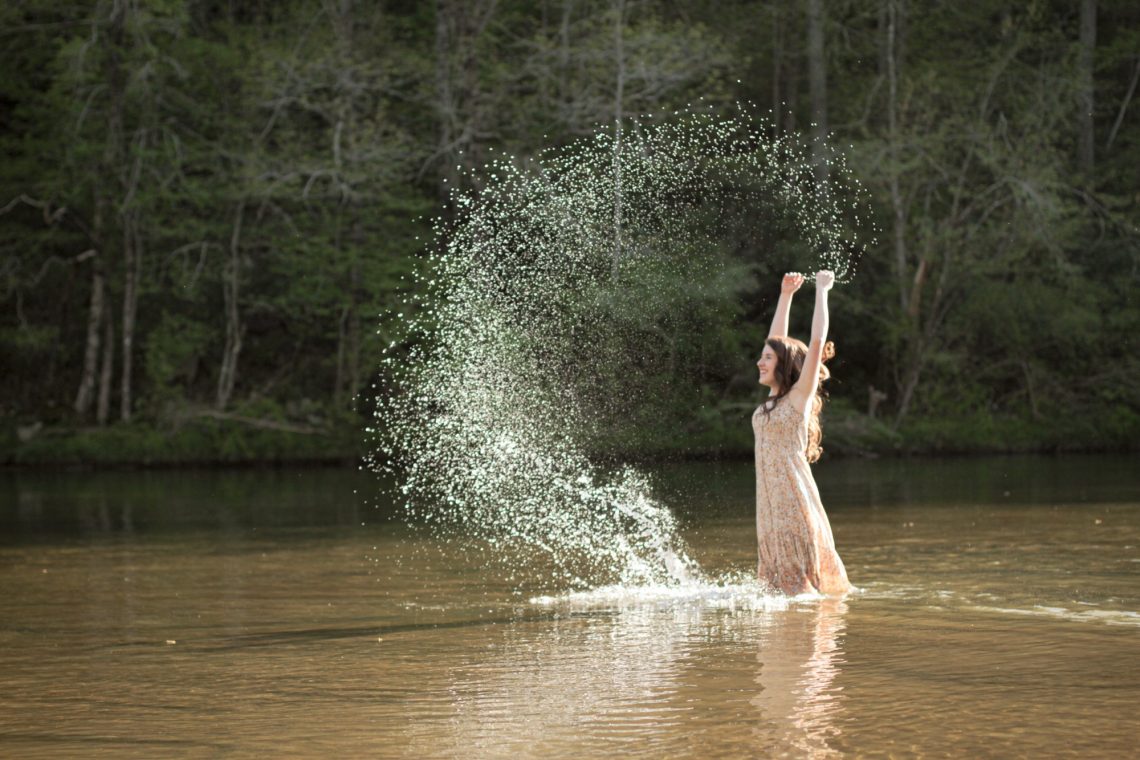
Leading Lines — Guiding the Eye & Guiding Emotion
Simple Composition Series — Lesson Two SOMM × MB Photography

There’s a quiet kind of magic in the way a photo guides your eye. Sometimes it’s obvious — a road stretching into the distance, a hallway pulling you forward, a fence line leading you somewhere. And sometimes it’s subtle — the curve of an arm, the tilt of a head, the way two people lean toward each other.
Those are leading lines. And they don’t just guide the eye… they guide the emotion.
Leading lines tell your viewer where the moment is going, what matters inside the frame, and how the story is unfolding. They create movement, connection, anticipation — even tension — without saying a single word.
This lesson is part of the SOMM × MB Photography collaboration — a series of simple, everyday composition tools designed to help you see your world differently and photograph it with intention, not perfection.
Let’s explore the lines that quietly shape the way we feel a photo.

What Are Leading Lines? (The Simple Version)
Leading lines are any lines — real or implied — that guide the viewer’s eye through the image.
They can be:
- straight
- curved
- diagonal
- converging
- subtle
- bold
And they can come from almost anything:
- sidewalks
- countertops
- shadows
- fences
- stair rails
- tree branches
- the edge of a bed
- the way someone’s arm reaches toward something
- the direction someone is looking
If it creates a path for the eye, it’s a leading line.
But the real magic is this:
Leading lines don’t just guide the eye — they guide the emotion.

Why Leading Lines Matter Emotionally
Every line carries a feeling.
Horizontal lines — Calm, stability, rest. Think horizons, beds, tables, quiet moments.
Vertical lines — Strength, growth, structure. Think trees, door frames, tall buildings.
Diagonal lines — Movement, energy, tension. Think roads, shadows, staircases.
Curved lines — Softness, gentleness, flow. Think arms, rivers, fabric, pathways.
When you choose which lines to include — and how they interact with your subject — you’re choosing the emotional tone of the photo.

How Leading Lines Guide the Story
Here’s where this technique becomes storytelling:
Lines that lead toward your subject — Create importance, focus, and emotional weight. They say: This is the moment.
Lines that lead away from your subject — Create movement, curiosity, or longing. They say: This moment continues beyond the frame.
Lines that run through your subject — Create connection, flow, and narrative. They say: This moment is part of something bigger.
Lines that frame your subject — Create intimacy and emphasis. They say: Come closer.
These choices change how the viewer experiences the moment — not just visually, but emotionally.

Real‑Life Examples (The Everyday Kind)
You don’t need a perfect setup or a styled home. Leading lines are everywhere.
Try noticing:
- the edge of a kitchen counter pointing toward your child
- the hallway behind someone pulling the viewer forward
- the shadow of a window frame leading into a moment
- the curve of a parent’s arm wrapping around a toddler
- the diagonal of a blanket pointing toward a face
- the line of sight between two people looking at each other
These lines create direction, emotion, and story — even in the most ordinary spaces.
How to Use Leading Lines Intentionally
Here are simple ways to start using them:
1. Change your angle
Move left, right, up, or down until the lines point where you want the viewer to look.
2. Let the environment help you
Walls, floors, fences, countertops — they’re already doing the work.
3. Use people as lines
Arms, legs, gazes, leaning bodies — these create emotional direction.
4. Follow the movement
If someone is walking, running, or reaching, use the path as a line.
5. Simplify the frame
Remove distractions so the lines feel intentional, not chaotic.

When to Break the Rule
Break it when:
- the moment is too emotional to worry about direction
- chaos tells the story better than structure
- symmetry feels more powerful
- you want the viewer to feel lost or still
- the lines distract from the subject
Leading lines are tools — not requirements.

Practice Prompts
Try one (or all) of these today:
- Photograph someone walking down a hallway — let the walls guide the eye.
- Capture a moment where shadows create diagonal lines.
- Use a countertop or table edge to lead toward your subject.
- Photograph two people looking at each other — their gazes become the line.
- Find a curved line (a blanket, a path, an arm) and let it guide the emotion.
The more you practice, the more you’ll start seeing lines everywhere — and the more intentional your storytelling will become.
Leading lines aren’t just about directing the eye. They’re about guiding the feeling inside the frame.
They help you tell a story that moves — a story that connects — a story that feels alive.

Lesson Three is coming next: Framing — Creating Intimacy & Focus.

You May Also Like

A Little Light, A Little Green, A Little Hope

Writing as Therapy
